VESSEL HULL RESISTANCE REDUCING
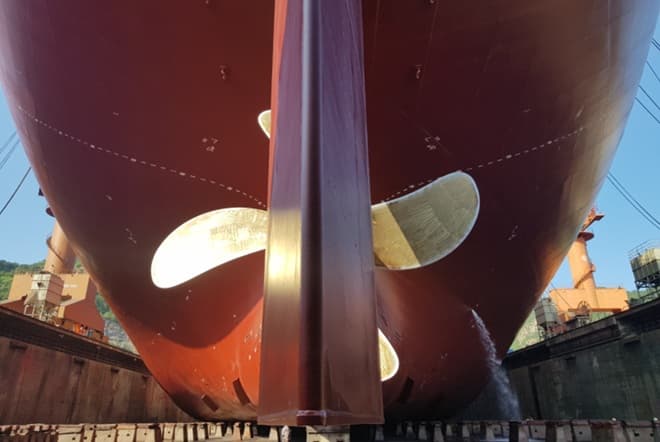
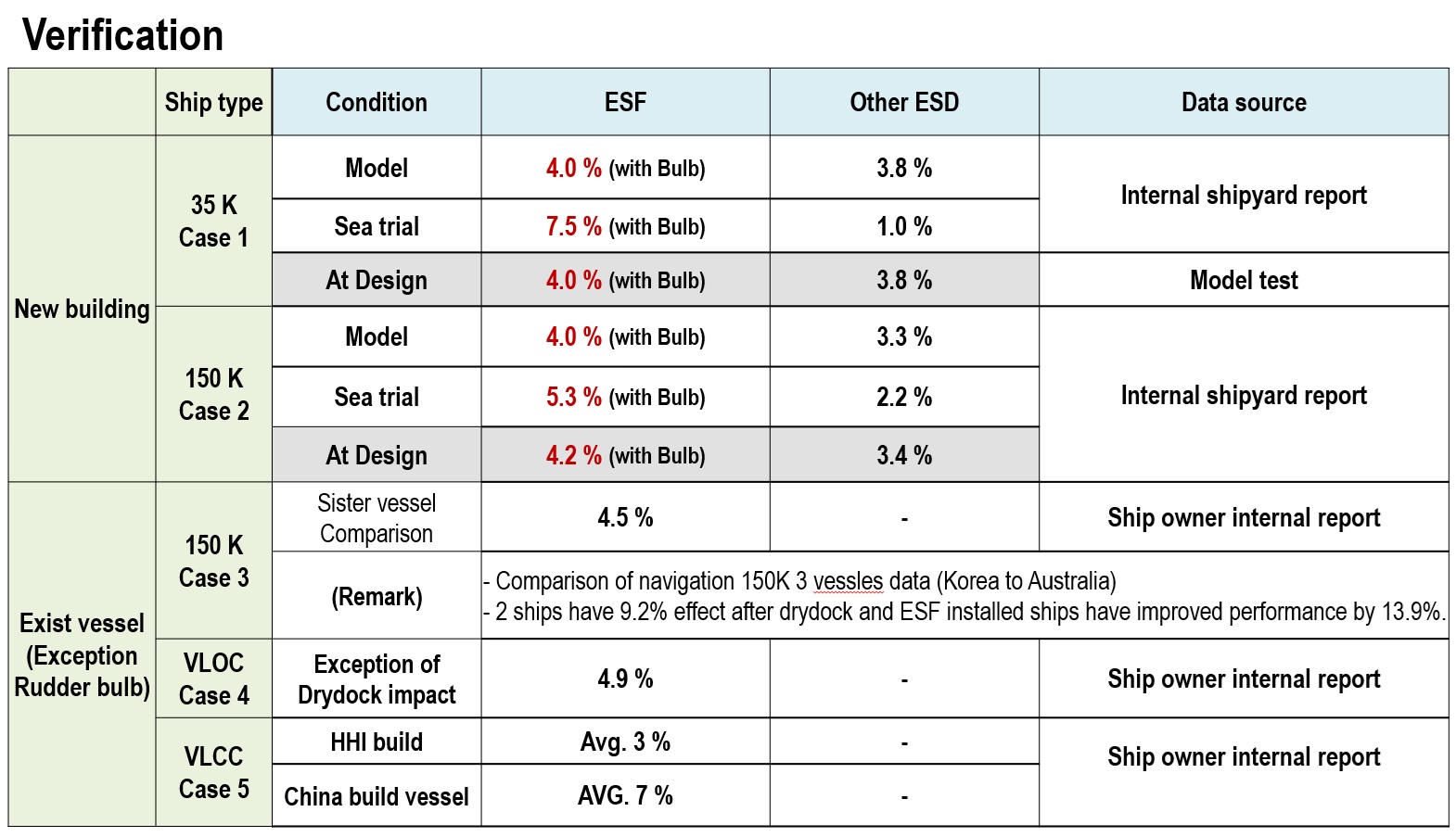
Engineering Services / Energy Saving Fins (Fuel Saving : 2~6 %)
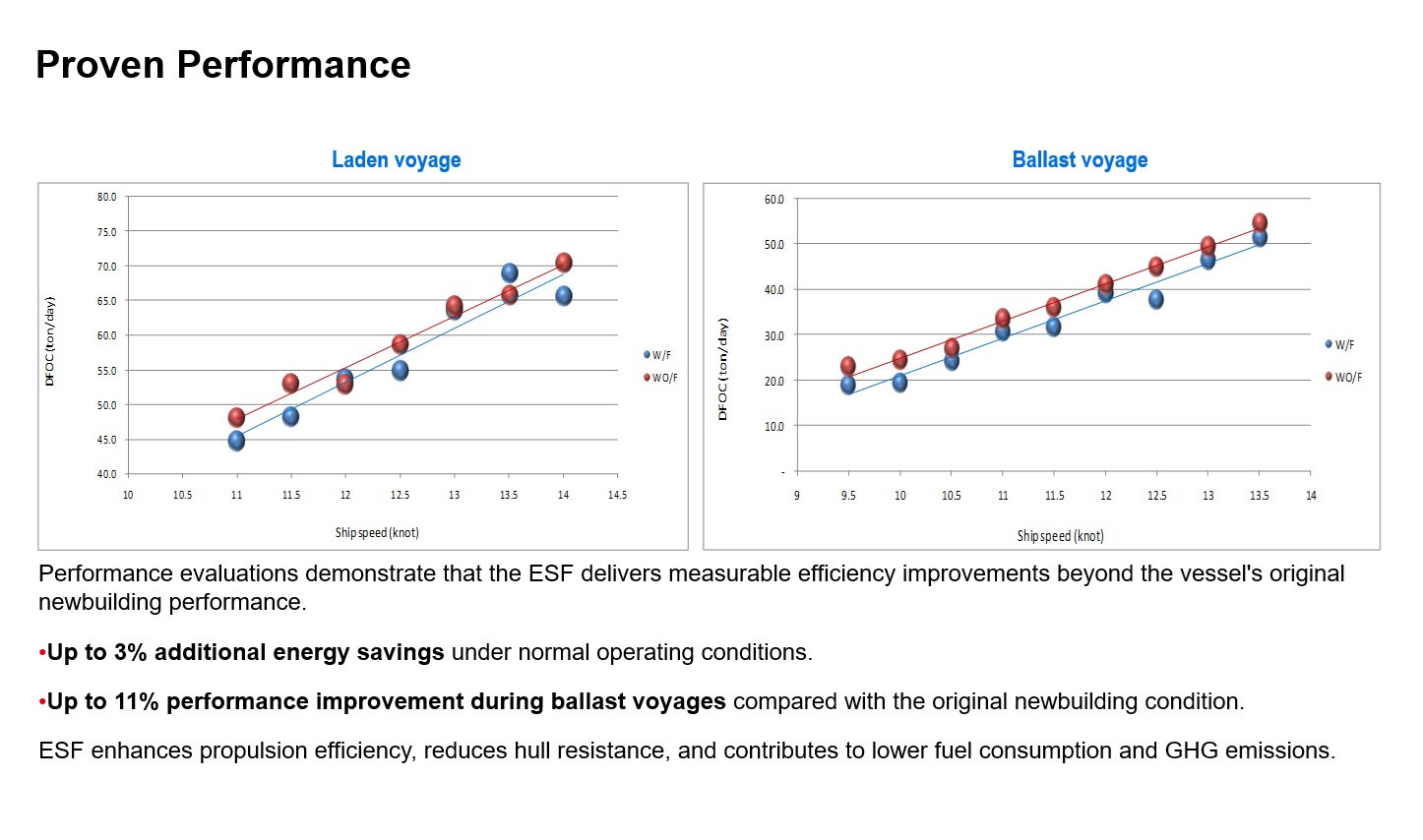
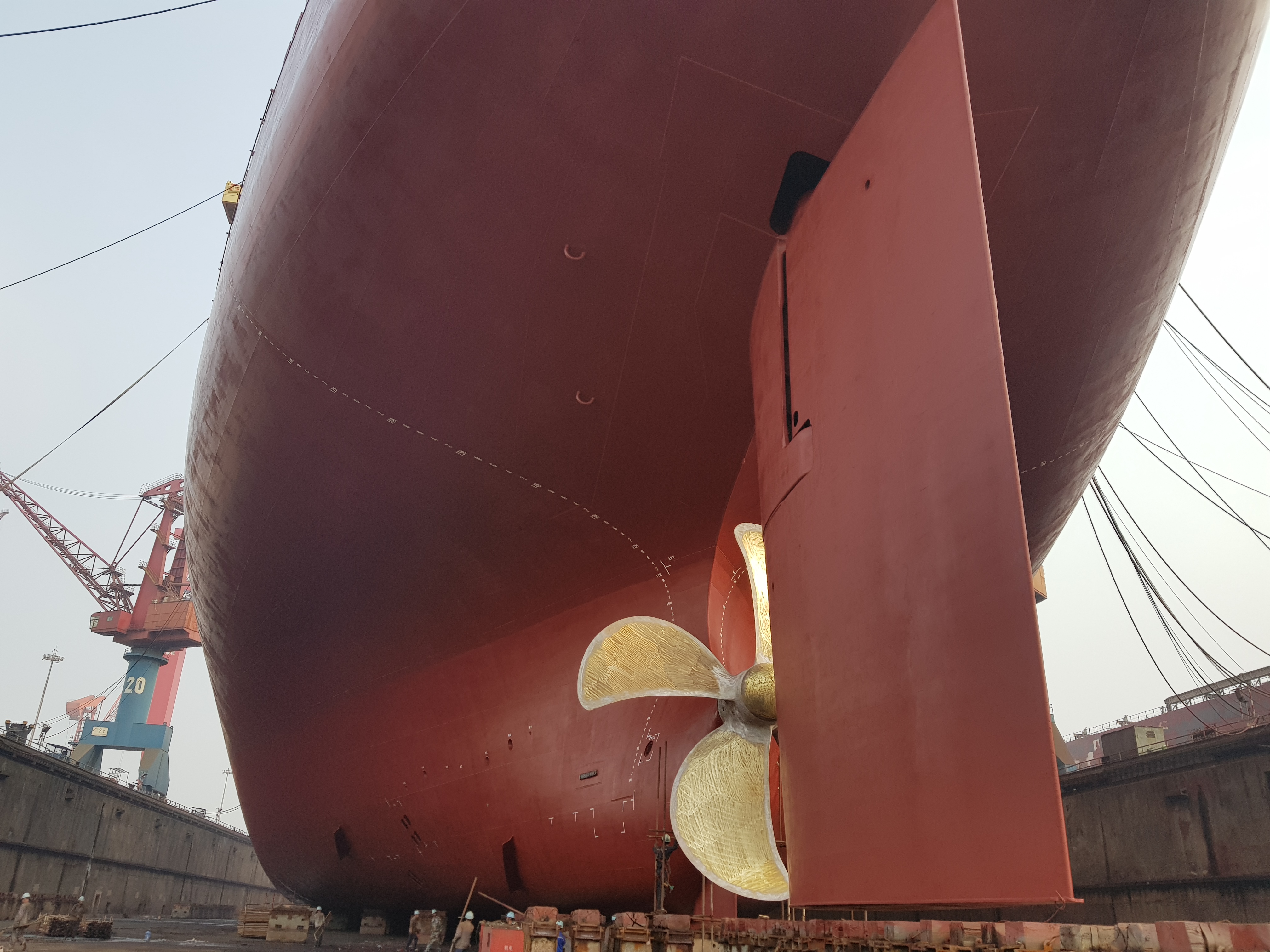
Energy Saving Fins (Fuel Saving : 2~6 %)
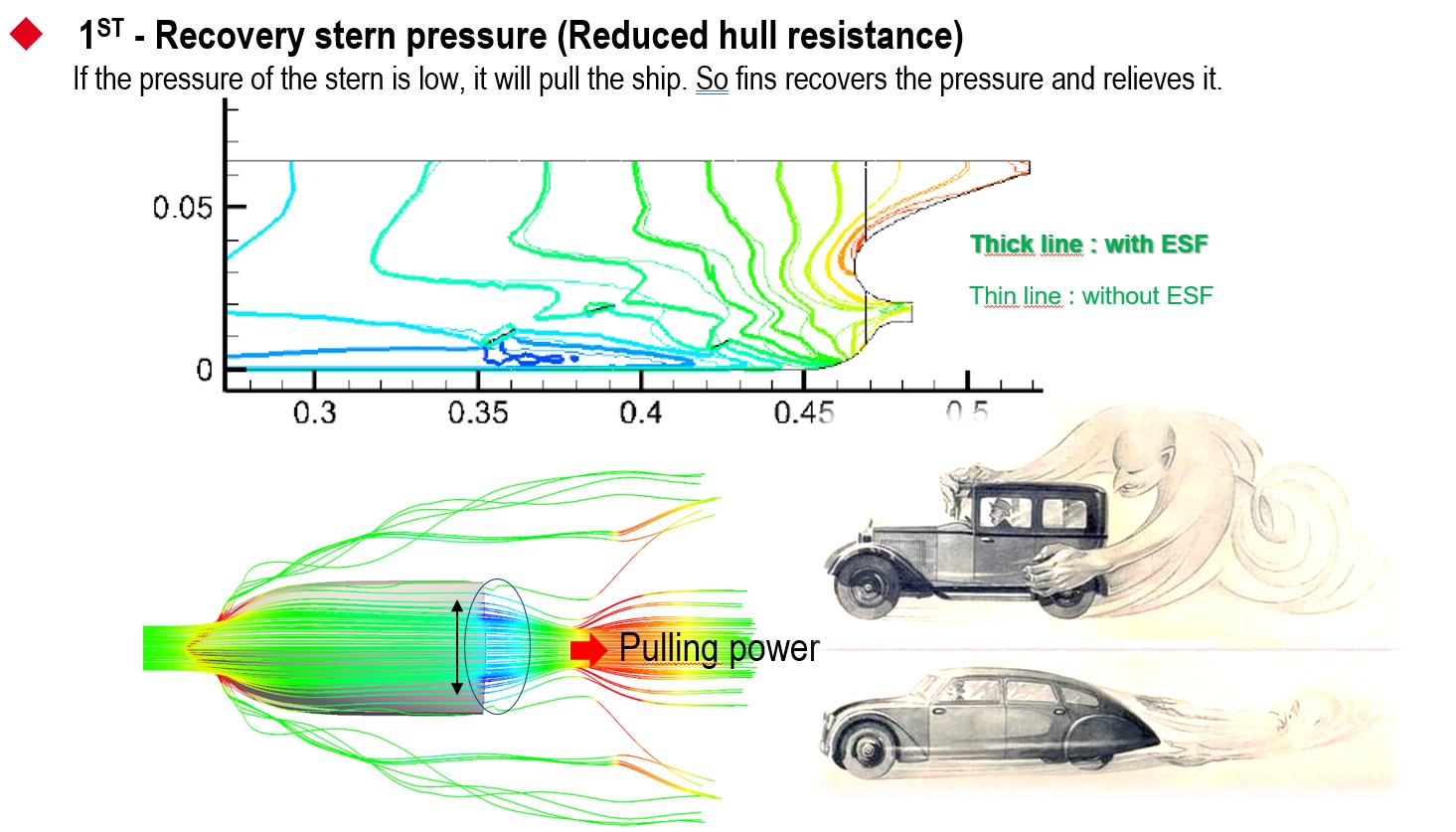
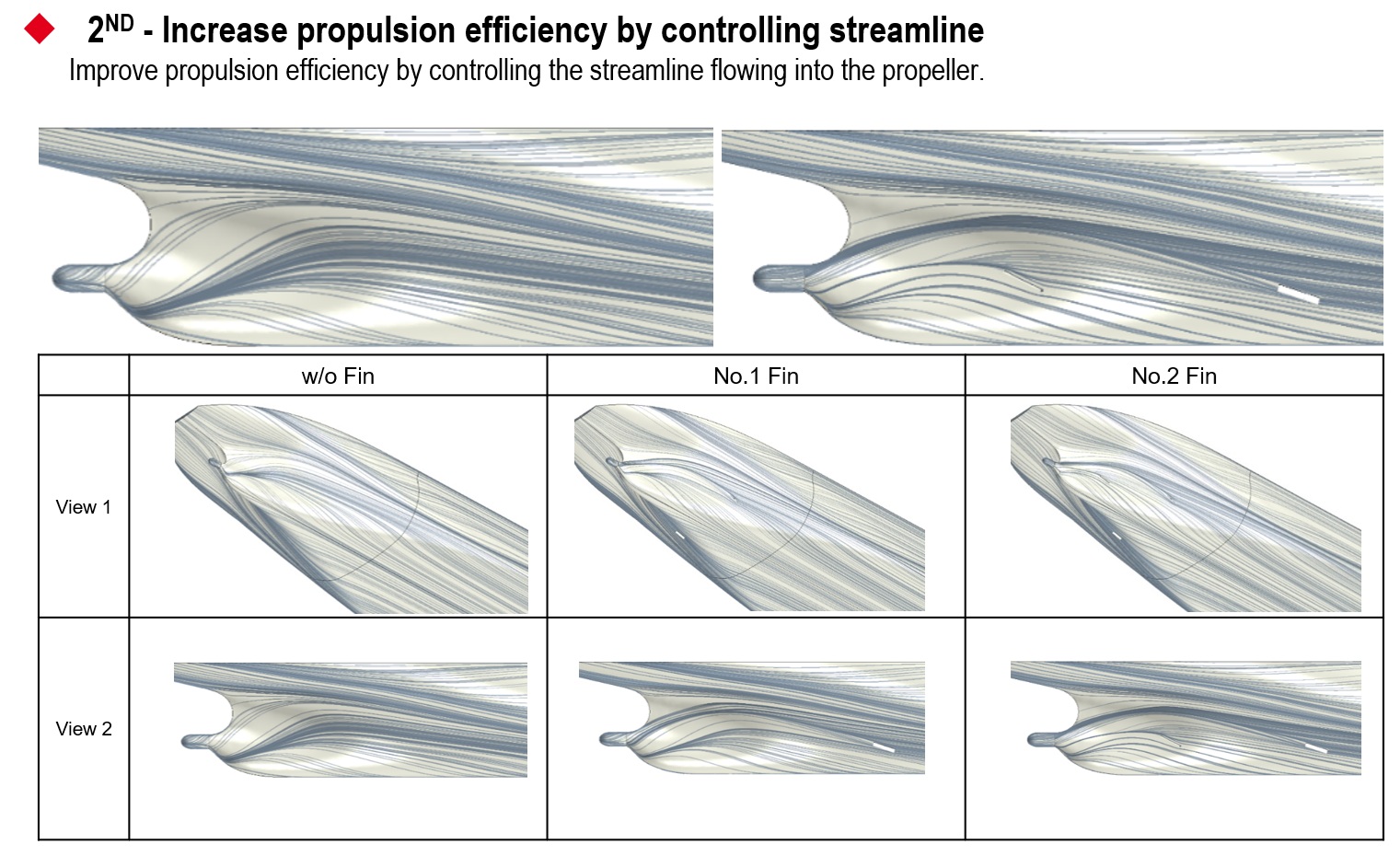
1ST - Recovery stern pressure (Reduced hull resistance) If the pressure of the stern is low, it will pull the ship. So fins recovers the pressure and relieves it. 2ND - Increase propulsion efficiency by controlling streamline Improve propulsion efficiency by controlling the streamline flowing into the propeller.
SERVICE OVERVIEW
From technical review to a practical, documented outcome.
An energy-saving project should start from the vessel operating profile rather than generic promotional savings.
We establish a performance baseline, screen improvement options and quantify expected savings, investment and payback.
VISUAL REFERENCE
Project images, technical details and application views.
SCOPE OF SERVICE
A structured scope tailored to the vessel, fleet and project objective.
✓
Operating profile and voyage analysis
✓
Reverse Engineering Based on Existing Drawings
✓
CFD-Based Hydrodynamic Analysis
✓
Structural Design for ESF Installation
✓
Classification Society Approval of Structural Drawings
✓
On-Site Supervision Support (Optional)
WORKING PROCESS
Clear stages, responsibilities and deliverables.
Vessel Operating Profile Review
Review and define the vessel's operating profile in consultation with the shipowner, considering actual operating conditions such as vessel speed, engine load, draft, voyage pattern, and operating hours.
Reverse Engineering Based on Existing Drawings
Perform reverse engineering based on the vessel's existing drawings to reconstruct the hull geometry and develop the required 3D model and engineering data for further hydrodynamic analysis and design.
CFD-Based Hydrodynamic Analysis
Conduct CFD-based hydrodynamic analysis to evaluate hull resistance, stern flow characteristics, and propeller inflow, and optimize the ESF design for improved propulsion efficiency and reduced fuel consumption.
Classification Society Approval of Structural Drawings
Submit the structural drawings and supporting calculations to the classification society for review and approval, and incorporate any comments or required modifications until final class approval is obtained.
On-Site Supervision Support (Optional)
Provide on-site technical supervision and support during installation to ensure that the work is carried out in accordance with the approved drawings, technical specifications, and applicable class requirements.
EXPECTED VALUE
Make the technical and commercial outcome visible.
Based on vessel data
CAPEX and payback
Rank practical measures
DELIVERABLES
Documents that can be used for decisions, execution and verification.
01Preliminary Hydrodynamic Performance Assessment Report
02Class-Approved Structural Drawings
03Installation Completion Report
TYPICAL APPLICATIONS
Applicable to
Existing shipsDry-dock planningEEXI/CII improvementFuel cost reductionRetrofit feasibilitySTART A PROJECT